
what are docufiction films?
Cinema has long been divided into two broad traditions: documentary and fiction. One promises reality, the other construction, performance, and imagination. Yet many filmmakers have worked in the space between the two, creating films that borrow from both. Rather than choosing, docufiction brings the two together to explore experiences that neither form could fully express on its own.
Published by: CinemaWaves Team | Filed Under: Film Blog
Early History and Development
Docufiction is not a recent invention. It has existed almost as long as cinema itself, though the term became more widely used later. From early ethnographic films, filmmakers have repeatedly turned to this form when reality seemed too complex for strict documentation and too specific for pure fiction.
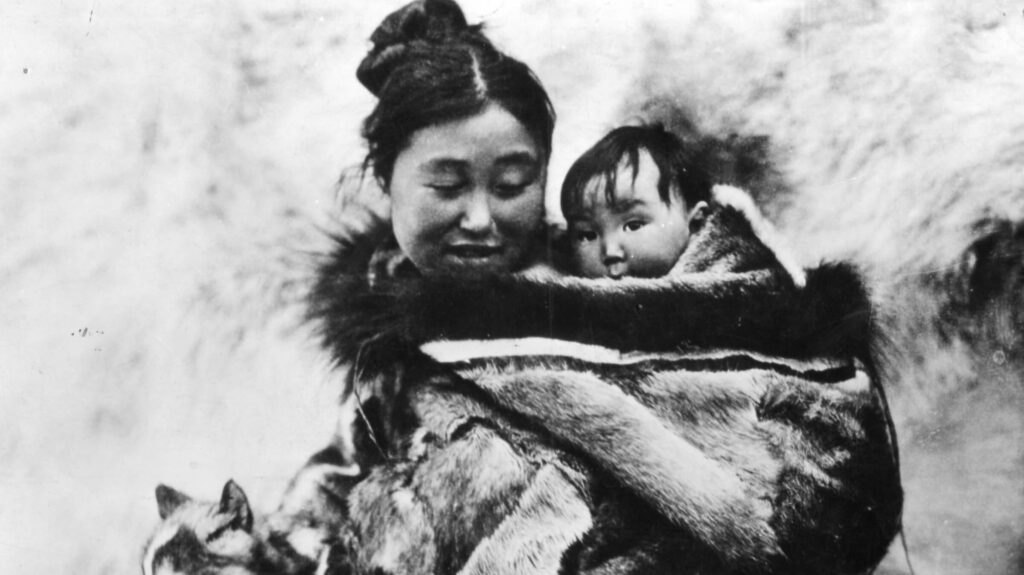
One of the earliest and most influential examples is Robert Flaherty’s “Nanook of the North” (1922). Often celebrated as a landmark documentary, the film also involved reenacted scenes and staged activities designed to present Inuit life to outside audiences. Though controversial today for its manipulations, it established a key tension that would define docufiction: the use of constructed moments in pursuit of a larger reality.
Another foundational figure is Dziga Vertov, whose “Man with a Movie Camera” (1929) documented Soviet urban life while openly foregrounding editing, performance, and cinematic artifice. The film treats reality as something shaped through montage rather than passively recorded.
During the mid twentieth century, Italian neorealism further blurred the line between documentary and fiction. Directors such as Roberto Rossellini and Vittorio De Sica used nonprofessional actors, real locations, and social realities drawn from everyday life. Though fictional narratives, these films greatly influenced later docufiction through their commitment to lived environments and unpolished realism.
Defining Characteristics of Docufiction Films
Docufiction varies widely, but several recurring traits help define it. One is the use of real people rather than trained actors, often playing themselves or fictionalized versions of their own lives. Another is location shooting in actual environments rather than studio spaces, preserving unpredictability.
Improvisation is common. Dialogue may arise naturally rather than from a polished script. Cinematography often favors handheld movement or observational distance, creating immediacy. At the same time, many docufiction films employ carefully shaped narrative arcs, symbolic scenes, or deliberate dramatic structure. The tension between authenticity and construction is not a flaw but the essence of the genre.
Why Filmmakers Turn
to Hybrid Forms
Docufiction emerges when conventional feel limiting. A documentary may capture surfaces but miss emotional interiority. Fiction can dramatize experience but risk losing the texture of real life. By combining the two, filmmakers can preserve spontaneity while shaping meaning.
This approach is especially powerful when dealing with memory, migration, labor, poverty, or political trauma. Real participants may reenact their own experiences. Non-actors may perform versions of themselves. Documentary footage may be woven into scripted scenes. These methods create a layered sense of truth, where emotional authenticity matters as much as factual record.
Docufiction also invites viewers to question what they are seeing. Instead of consuming images as transparent evidence, audiences become aware of cinema as a process of selection, framing, and interpretation. That self-awareness is central to the form.
Important & Famous
Docufiction Films
“Nanook of the North” (1922) by Robert Flaherty: Described as one of the earliest feature-length documentaries, the film also relied on reenacted scenes and staged situations. Its legacy remains contested, yet it established the central tension of docufiction by blending observation with constructed narrative in the pursuit of a larger truth.
“Man with a Movie Camera” (1929) by Dziga Vertov: His portrait of Soviet urban life transforms documentary footage through montage, rhythm, and self-reflexive experimentation. By revealing the camera, editor, and filmmaking process itself, the film argues that reality is shaped through cinematic form rather than simply recorded.
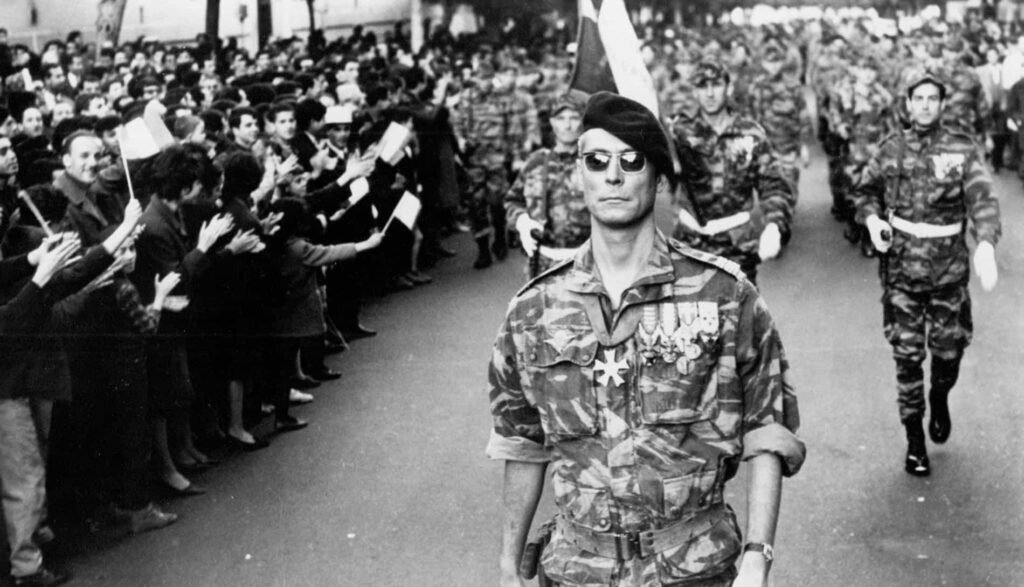
“The Battle of Algiers” (1966) by Gillo Pontecorvo: Recreating the Algerian struggle for independence with nonprofessional actors and newsreel immediacy, the film achieves an extraordinary sense of realism. Its documentary style is so convincing that many viewers initially mistake it for actual historical footage.
“F for Fake” (1973) by Orson Welles: Welles turns the documentary form into a playful meditation on forgery, authorship, and illusion. Combining interviews, staged material, and deliberate deception, the film challenges audiences to question how easily images create belief.
“Close-Up” (1990) by Abbas Kiarostami: One of the landmark films of modern world cinema, the film reconstructs a real court case involving a man who impersonated filmmaker Mohsen Makhmalbaf. Real participants reenact their own experiences, creating a deeply moving reflection on identity, cinema, and longing.
“The Act of Killing” (2012) by Joshua Oppenheimer: Former Indonesian death squad leaders are invited to reenact their crimes through scenes inspired by the movies they love. The result is both surreal and disturbing, using performance to expose memory, denial, and the psychology of violence.
Global Growth of the Form
In recent decades, docufiction has flourished internationally. Iranian cinema, particularly through Abbas Kiarostami and Jafar Panahi, has used hybrid methods to navigate censorship while exploring everyday life. In Latin America and Africa, filmmakers have used docufiction to address colonial history, migration, and social inequality.
Digital technology has also expanded possibilities. Lightweight cameras and smaller crews make it easier to film in real environments with minimal disruption. The boundary between staged and unstaged material has become increasingly fluid, especially in contemporary independent cinema.
Criticism and Ethical Questions
Docufiction raises important ethical concerns. When real people perform versions of themselves, who controls the narrative? Can reenactment distort lived experience? Does stylization risk misleading viewers? These questions have no simple answers.
Yet the same concerns apply to conventional documentaries, which also rely on editing, framing, and selective storytelling. Docufiction differs mainly in making those processes more visible. It reminds audiences that truth in cinema is rarely raw or untouched. It is organized, interpreted, and felt.
Refer to the main page for more educational insights on filmmaking and cinema history.
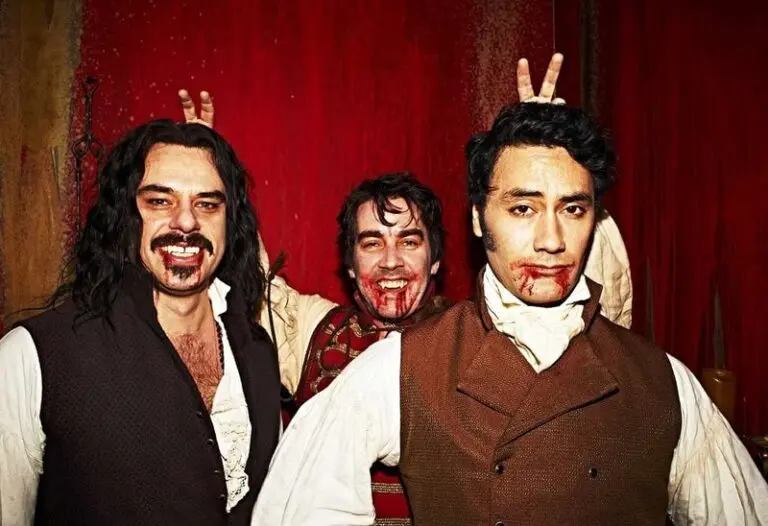
A mockumentary is a clever blend of documentary-style filmmaking and fictional storytelling, offering a humorous or satirical take on real-world subjects. Over the years, it has…
Both movements unfolded in the late 1950s, they shared a common goal of capturing reality in its most unfiltered form. Direct Cinema, pioneered in the United States…

Independent film, often called indie film, is produced outside the major studio system. Its roots can be traced back to the early 20th century, when filmmakers began seeking…
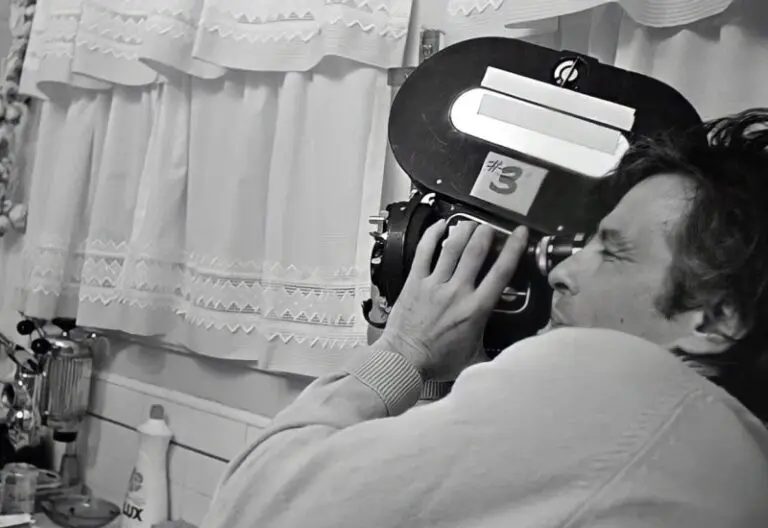
Guerrilla filmmaking style is a raw and independent approach, defined by its low budget, limited resources, and unconventional production methods. Rooted in a do-it-yourself…
The studio system was a dominant force in Hollywood from the 1920s to the 1950s. It was characterized by a few major studios controlling all aspects of film production…

Film production is the process of creating a film from its initial concept to the final product. It involves numerous stages, each requiring a collaboration of talents, skills, and resources. The…