
six essential films from overlooked countries
A few years ago I set myself a challenge that sounded simple and turned out to be anything but: to watch and review a film from every country on Earth. Not just the usual handful of powerhouse industries, but everywhere, including the nations that manage one feature a decade if they are lucky.
Written by: Ross “Macca” McLaren | Filed Under: Film Blog
I finished it, eventually, and the biggest thing it taught me is this. Some of the most rewarding films you will ever see come from the places that almost never make it onto a screen.
So here are six of them, from six corners of the world you have probably never visited at the cinema. No homework required, no film degree needed. Just brilliant, surprising world films worth hunting down, and a passport stamp or two while you are at it.
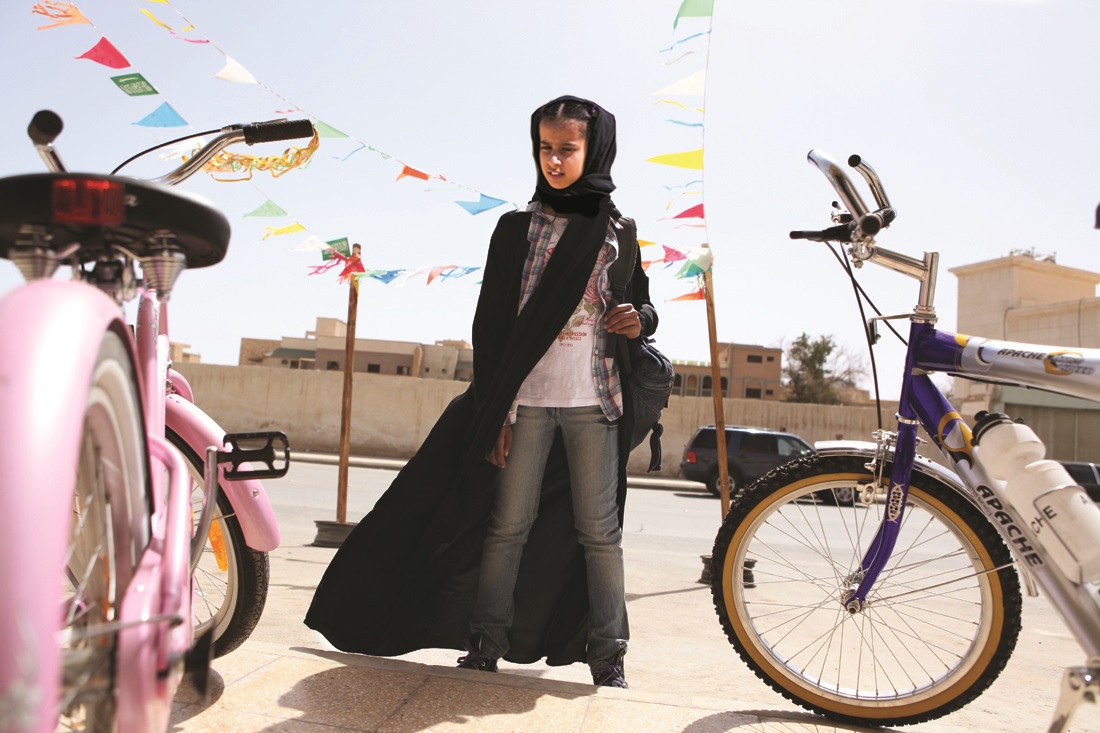
Wadjda (2012) - Saudi Arabia
Saudi Arabia had no public cinemas at all for more than three decades, which makes Wadjda close to a miracle. It is the first feature film shot entirely inside the country, and it was directed by a woman, Haifaa al-Mansour, who reportedly had to run some scenes from inside a van to avoid being seen publicly directing men.
The film itself is deceptively gentle. A headstrong ten-year-old wants a green bicycle so she can finally beat the boy next door in a race, and she enters a Qur’an recitation contest to raise the money. Out of that small, stubborn wish, al-Mansour says an enormous amount about the lives of women and girls, and slips her sharper points in so smoothly you barely notice until they have landed. Funny, warm and quietly radical. The perfect place to start.
7 Boxes (2012) - Paraguay
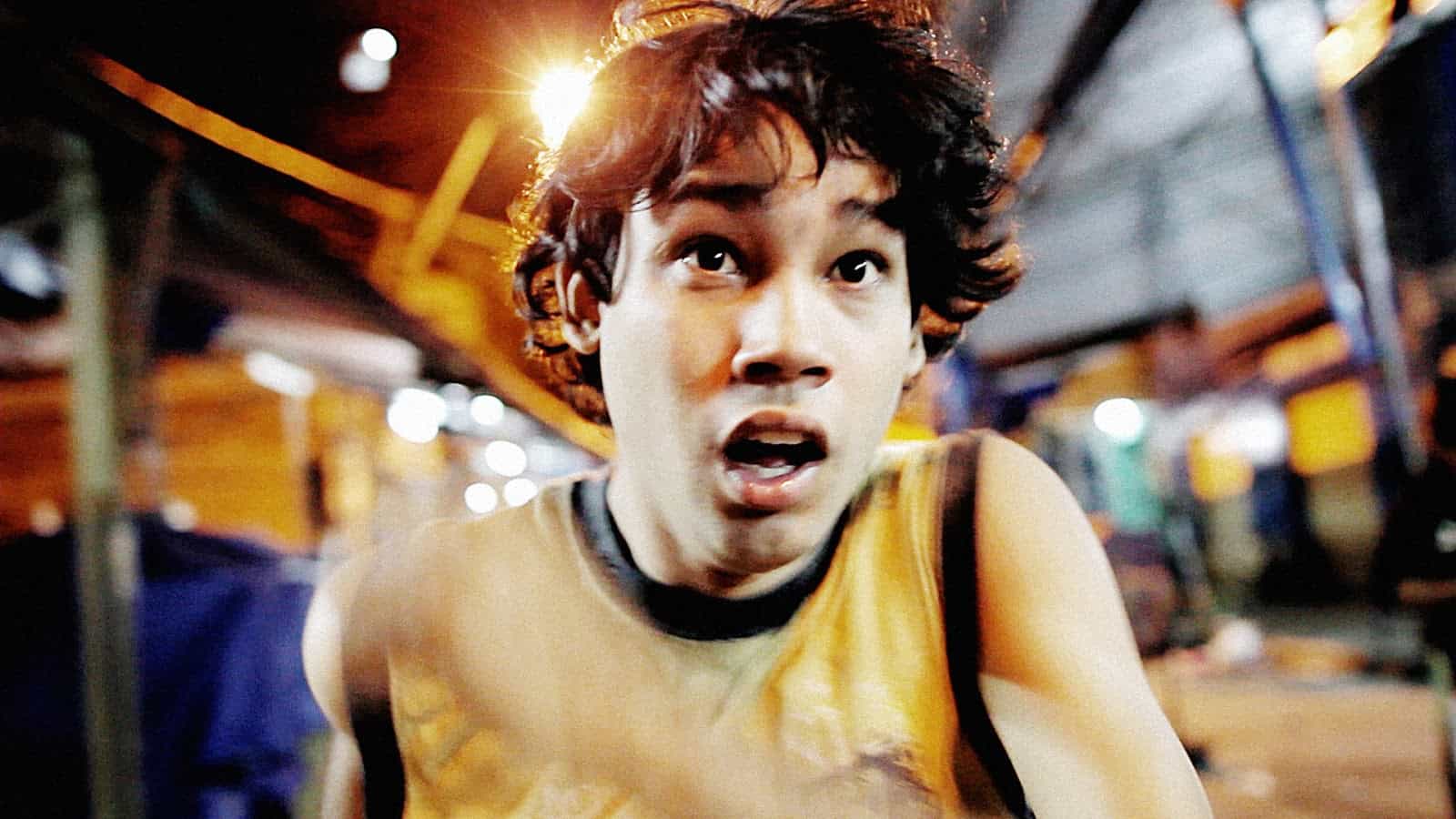
If you have never seen a Paraguayan film, you are in very good company, because before 7 Boxes the country barely had a film industry to speak of. Directors Juan Carlos Maneglia and Tana Schembori changed that overnight with a breathless thriller set in the heaving Mercado 4 in Asuncion.
Victor, a seventeen-year-old wheelbarrow porter who dreams of fame and a bit of the good life, is offered a hundred dollars to wheel seven mysterious boxes around the market and keep them safe. Naturally, everyone wants what is inside. What follows is a sweaty, neon-lit chase through a maze of stalls that became the most successful Paraguayan film ever made and effectively kick-started the country’s cinema. Pure, propulsive fun, and a thrilling way into a place you will rarely find on screen.
Qas (2022) - Kazakhstan
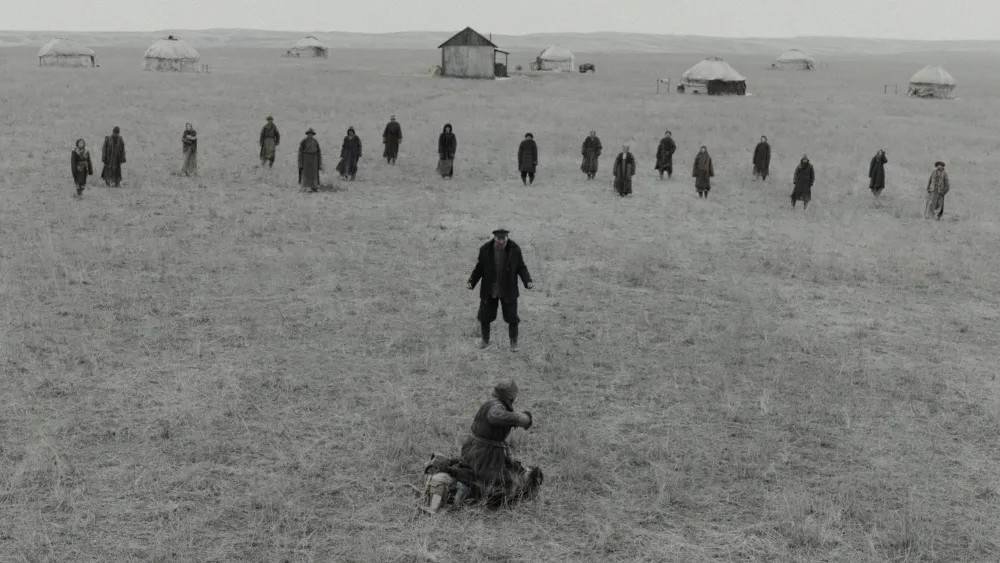
Kazakhstan has a quietly remarkable film culture, but very little of it travels, which is a shame when debuts as assured as Qas exist. Aisultan Seitov, only in his mid-twenties when he made it, sets his story during the Asharshylyk, the catastrophic famine of the 1930s, when Stalin’s forced collectivisation starved well over a million Kazakhs to death. Our way in is Isatai, the village gravedigger, who buries the dead day after day until he is pushed towards an impossible choice.
Yes, it is bleak, but it is also stark, beautiful and quietly furious, the sort of historical film that sends you straight off to read everything you can about a chapter of history the world has largely chosen to forget. It won Seitov a best director prize at Shanghai and announced a real talent. Seek it out.
The Boy Who Harnessed the Wind (2019) - Malawi
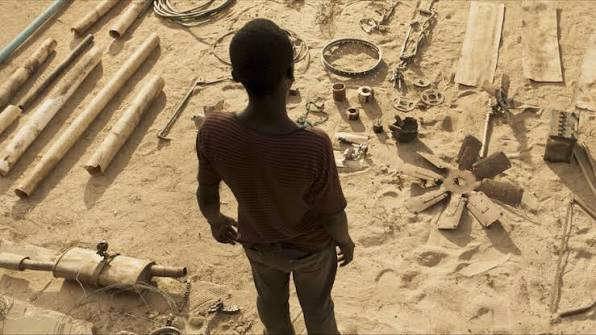
Here is one you can watch tonight, because it is sitting on Netflix. Chiwetel Ejiofor, in his debut as a director, tells the true story of William Kamkwamba, a teenager in rural Malawi who, during a brutal famine, taught himself from borrowed library books how to build a wind turbine out of scrap and bring water and power to his village. In lesser hands it could have been mawkish. Instead Ejiofor, who also plays William’s proud, struggling father, keeps it grounded, patient and genuinely moving, never letting the uplift paper over how desperate things become.
Malawi almost never features in world cinema, and to see it shown with this much love and specificity is a real pleasure. A proper crowd-pleaser with substance underneath.
Lion of the Desert (1981) - Libya
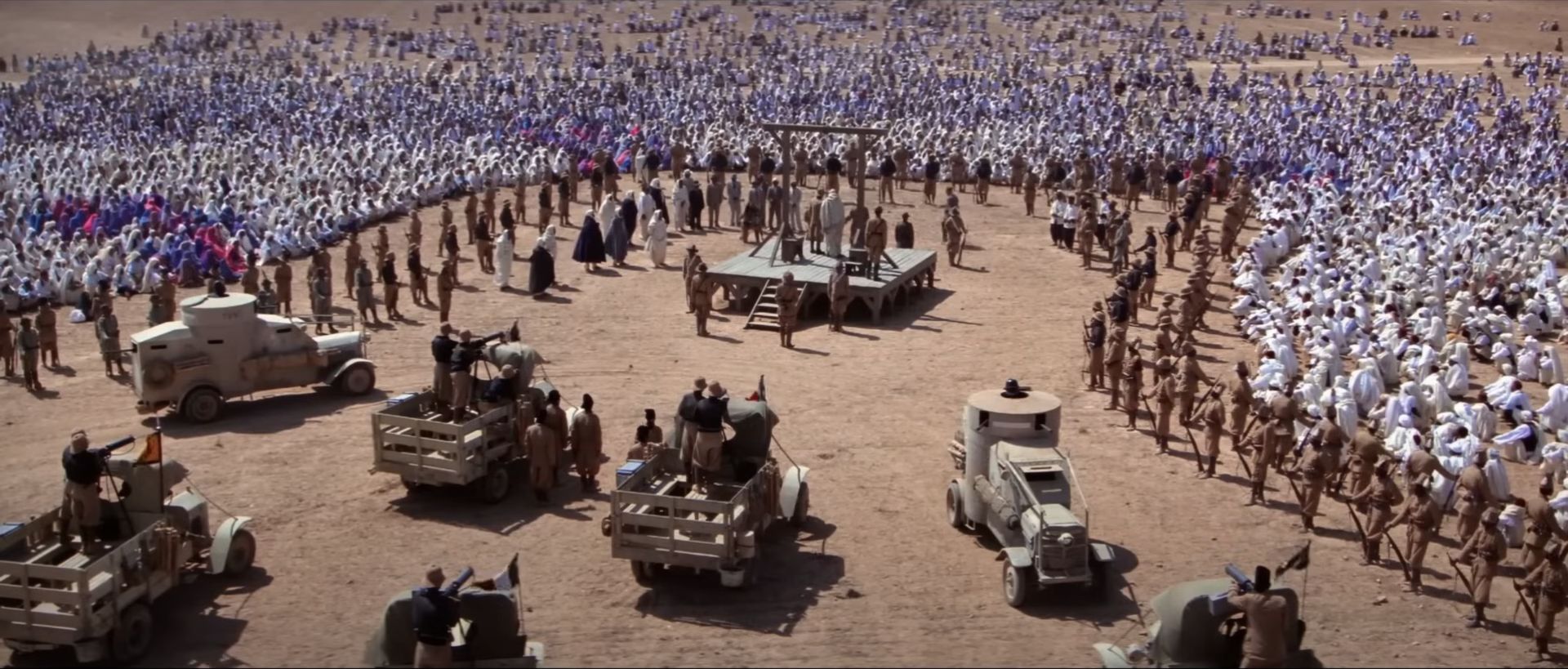
Libya might be the single hardest country on this list to find on screen, which is exactly what makes Lion of the Desert such a find. Directed by Moustapha Akkad and bankrolled by Libya itself, it is a sweeping historical epic about Omar Mukhtar, the softly spoken schoolteacher who led Libyan resistance against Italian colonial forces for the best part of twenty years.
Anthony Quinn is tremendous in the lead, all weariness and iron resolve, and the battle sequences are staged on a scale that simply is not attempted any more. It is old-fashioned in the very best sense, a grand, stirring, big-canvas war film with a real sense of injustice burning at its centre. If your mental picture of Libya on screen is a blank, this is the film that fills it in.
Runs in the Family (2023) - Eswatini
This one comes with an honest asterisk. It is really a South African production, directed by Ian Gabriel, but its road trip carries you over the border into Eswatini, one of the least-filmed countries anywhere on Earth, so I am bending my own rule to smuggle it in. And I am glad I did.
It follows Varun, a former con artist, and his estranged child River, a trans drag performer, as they drive across southern Africa to spring River’s long-lost mother from a rehab clinic in Eswatini, with River desperate to get back in time for a drag contest that could fund their surgery. It is warm, funny and big-hearted, a buddy road movie with a real lightness of touch about family and identity. Netflix picked it up, so it is easy to find, and it will leave you grinning.

Go and Get Pleasantly Lost
That is the joy of going off the map. You do not need to understand a country’s entire history to be knocked sideways by a film from it. You just need to press play. Every one of these came from a place I knew next to nothing about, and every single one stayed with me.
If this has given you the itch, my whole every-country project lives over at Movies With Macca, where I am slowly writing about the entire world, one film at a time.

Author
Written by Ross “Macca” McLaren. He is the founder of Movies With Macca, a site devoted to world and independent cinema. He set out to watch and review a film from every country on Earth, and finished it. He publishes long-form, honest reviews daily at movieswithmacca.com. You can follow Macca on Letterboxd and across social media as @movieswithmacca.
Third Cinema is a revolutionary film movement that emerged in the 1960s as a response to the dominant ideals of Hollywood (1st Cinema) and European art cinema (2nd Cinema)…

World cinema refers to films produced outside the mainstream Hollywood system, encompassing a wide range of countries, cultures, languages, and traditions. It offers…

Arthouse film refers to a category of cinema known for its artistic and experimental nature, usually produced outside the major film studio system. These films prioritize artistic…

Film theory is the academic discipline that explores the nature, essence, and impact of cinema, questioning their narrative structures, cultural contexts, and psychological…
Indian cinema is synonymous with Bollywood, known for its vibrant song and dance sequences and blockbuster entertainers. However, beneath the glitz and glamour lies…
The world has been ravaged by nuclear war. The planet is frozen and radiation kills anyone that ventures outside of ‘The Dome’. Soft is a shepherd for the last remnants…