
cinema etiquette is dead - lets talk
A couple of months ago when I got the chance to see Blue Velvet in the cinema after David Lynch’s passing and I was shocked to see the lack of respect and maturity from the audience. Throughout the film there was something I could only class as ironic laughter.
Written by: Max Palmer | Filed Under: Film Blog
An example of this was in the scene where Frank (Dennis Hopper) inhales amyl nitrate and says “Baby wants to fuck” in his high pitch voice whilst assulting Dorothy (Issabella Rossolini). Whilst this serious scene was playing out people were laughing and I don’t mean a slight awkward chuckle, I mean full on laughing. This lack of respect and maturity from a group of adults made me wonder – is cinema etiquette is actually dying?
It’s also worth looking back at where cinema etiquette came from in the first place, because it hasn’t always existed in the way we understand it today.
Where Cinema Etiquette Came From
When cinema first became popular in the early 1900s, audiences didn’t treat film screenings as the quiet, respectful experiences we (ideally) have now. People would come and go whenever they wanted, chat loudly, eat, and even shout at the screen. Women would wear enormous hats that blocked people’s view, and smoking was completely normal inside the theatre. Projectionists would often pause the film to tell people to stop talking or to remove their hats so others could actually see. It was chaotic, but it also showed that cinema was still figuring out what kind of art form it wanted to be.
As sound arrived in the late 1920s and films started demanding more attention, audience behaviour slowly began to change. Cinemas became fancier and people started to realise that watching a film could be a serious, immersive experience.
By the 1950s and 60s, going to the cinema was seen as an event. There was an unspoken understanding that you were sharing something meaningful with everyone else in the room. Ironically, as cinema became more casual and accessible over the years, a lot of that respect disappeared. The same informality that made film more open to everyone also chipped away at the sense of occasion – leading us to the noisy, phone-lit screenings we often get today.

Cinema Etiquette Today
To understand if cinema etiquette is actually dying, we first need to establish what ‘good’ cinema etiquette is, and it is a short and precise list, which is:
- Don’t use your phone for any reason whatsoever, if it is an emergency leave the cinema.
- Don’t talk during the film. Refrain from eating anything that is loud/ crunchy.
- Don’t make a mess and if you do clean up after yourself.
- Don’t arrive late at the screening.
With these set of rough guidelines established the best way to really understand if the etiquette is dying is to dissect them one by one.
Phone use
The first (and most prevalent issue) is people using their phones in the cinema. People also use their phones in a variety of ways such as taking a picture of the title card (I am still not sure why people do this), all the way to mindlessly scrolling on social media with the brightness all the way up. I do however believe that this is more of an issue with the younger generation since when I go to a screening for a film that is aimed at adults, I rarely see this issue.
A recent (American) study said that 20% of teens use their phones in cinemas and 60% of them use their phones whilst watching films and TV at home. This also isn’t helped by the fact that companies like Netflix are telling their writers to get the characters to “announce what they are doing” so that viewers who have it playing in the background can understand what is going on.
The sad thing about this specific issue is that it is the hardest one to crack down on, and it’s getting worse. Cinemas can only do so much – constant monitoring of every screening isn’t realistic, and staff can’t be everywhere at once. The burden often falls on other audience members to speak up, which many are reluctant to do, especially when it risks confrontation.

Noisy eating
The point of people eating in the cinema is quite a divisive one and it is really a double edged sword. I think it is fine to eat during the cinema as long as you are quiet and no one else can hear you.
My issue comes from the people who are chewing so loudly even someone at the back could hear them. However I am aware of the fact that cinemas make their money on the food, and less on the tickets, so if it weren’t for the people eating, the cinema likely wouldn’t survive.
Late arrivals
The issue of people being late to the cinema should be an easy fix, yet it happens all the time. There’s nothing more distracting than someone stumbling in ten minutes after the film starts, whispering, rustling bags, and lighting up the room with their phone while they look for their seat. It completely breaks the immersion for everyone else.
If you’re more than twenty minutes late, don’t go in. By that point you’ve missed the setup, and catching up will only frustrate you and disturb others. Arrive early, switch off, and be present from the first frame.
Not clearing mess
The final point (and the point which probably infuriates me the most) is the fact that people do not clean up after themselves when the film is done. When the Minecraft Movie came out last year there was a trend online in which people threw all their food in the air when Jack Black said “chicken jockey”, I even saw a video in which someone brought a real chicken into the screening. This kind of trend and the fact some people just say “it is their job to clean” just leads to more people thinking it is okay to trash the place.
A way to fix this would be if the cinema saw people making a mess on purpose the staff would ask them to clean it up. This might sound extreme and people say “it’s not that serious”, but believe me, it is. The last thing a cinema worker wants is to be cleaning tons of food off the floor at 9 in the morning just because people were too ill educated to clean up after themselves.
So, Is Cinema Etiquette Dying?
My answer is yes.
It will never be perfect. People are people. But over the years, it’s clear that respect for the cinema has slowly eroded. What was once a shared, almost sacred space has become, for some, just another backdrop for scrolling, chatting, and carelessness.
Cinemas shouldn’t have to hire more staff just to police basic manners. The solution lies with us – the viewers. If people realised that their actions directly affect everyone else’s experience, maybe they’d think twice before lighting up their screens or leaving their rubbish behind.
The cinema is one of the last truly communal art forms we have left, and if we want to keep it that way, we need to treat it with the respect it deserves. Only when audiences remember that, will the cinema experience truly come alive again.

Author
Written by Max Palmer. Based in North Wales Max has had an admiration for films ever since he got Pinnochio on DVD for his third birthday, since then he has grown to be a fan of anything and everything from David Lynch to Hayao Miyazaki. However his heart has a special place for anything shocking and underground.

Cinematography is the art and craft of capturing visual images for film or digital media. It involves the use of cameras, lighting, composition, and movement to tell…

Space opera is a subgenre of science fiction, celebrated for its grand scope, epic adventures, and famous heroic tales set in outer space. Unlike hard science fiction…

Arthouse film refers to a category of cinema known for its artistic and experimental nature, usually produced outside the major film studio system. These films prioritize artistic…
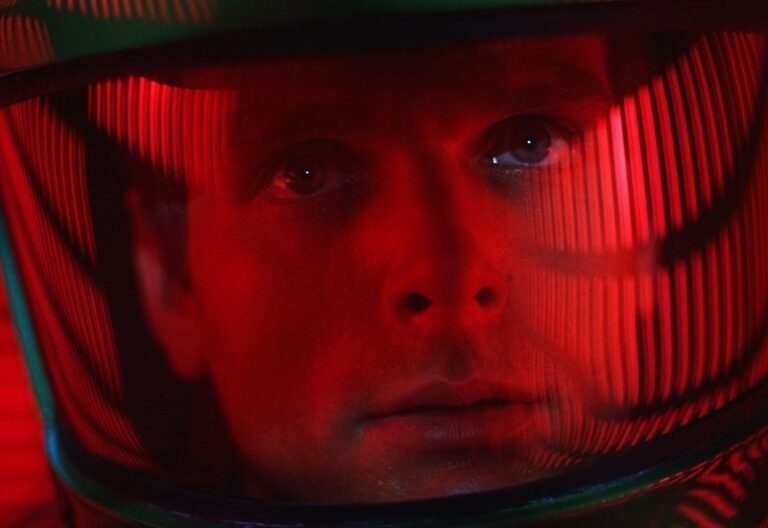
Film theory is the academic discipline that explores the nature, essence, and impact of cinema, questioning their narrative structures, cultural contexts, and psychological…
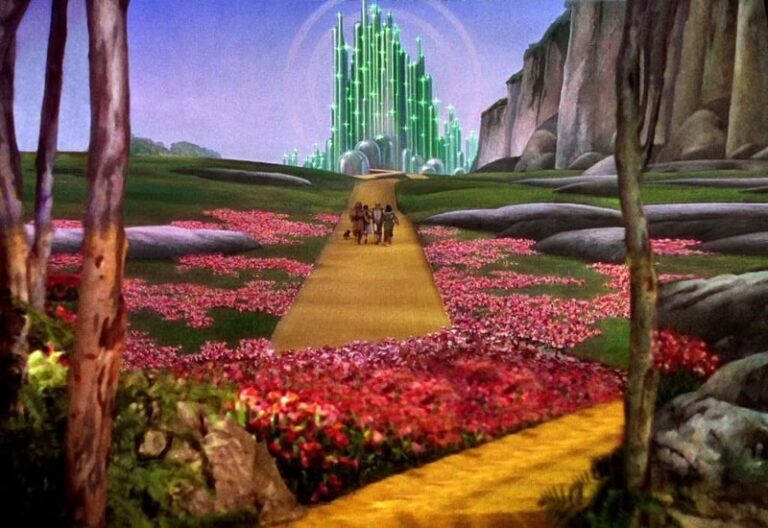
Technicolor’s origins trace back to the 1915 when Herbert Kalmus, Daniel Frost Comstock, and W. Burton Wescott founded the Technicolor Motion Picture Corporation. The…
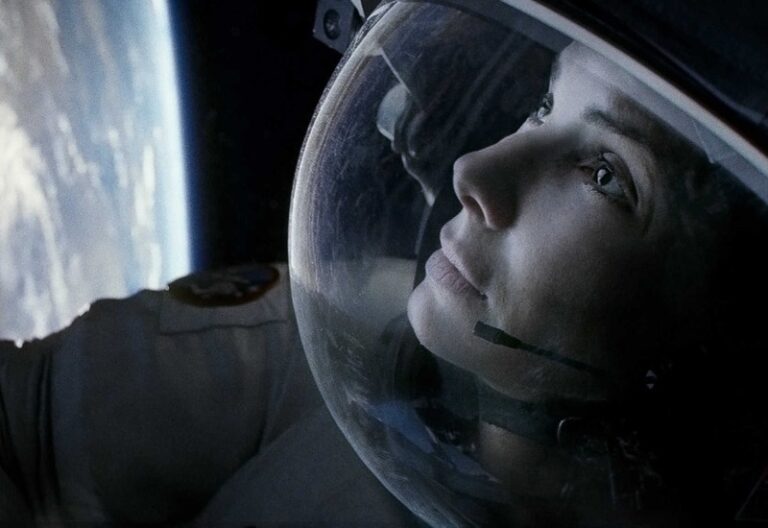
A 3D film is a type of a movie that creates an illusion of depth, allowing viewers to experience scenes with a sense of realism that traditional films can not provide. This is…